
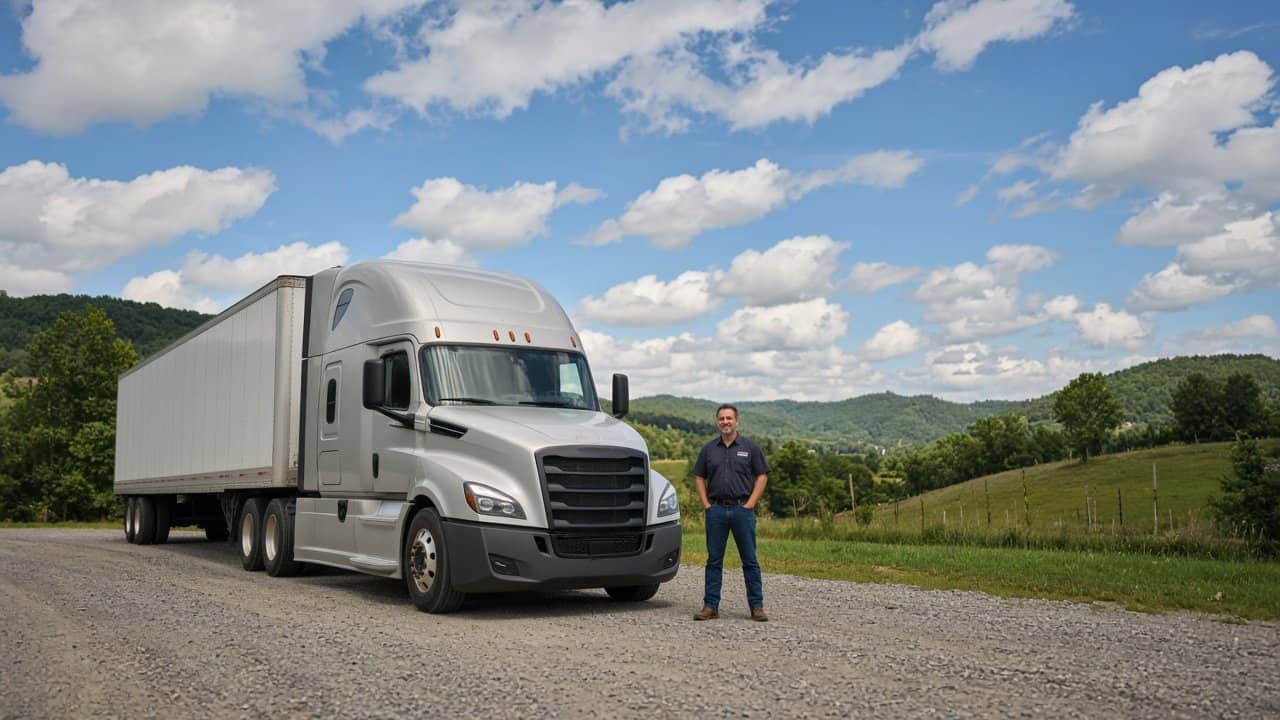
Get a Trucking Insurance quote from our local specialists
Bennett Insurance Agency
What is trucking insurance and who needs it?
Operating a commercial transport business requires specialized protection. Trucking Insurance is a highly specific category of coverage designed to protect owner-operators, motor carriers, and fleet owners from the unique financial risks associated with hauling goods. Unlike standard commercial auto insurance, which might cover local delivery vans or sales vehicles, these policies are built to handle heavy-duty rigs, long-haul routes, and specialized cargo. In Kentucky, anyone operating large commercial vehicles for business purposes must carry appropriate coverage to comply with state and federal regulations. This includes independent owner-operators, large logistics fleets, and private carriers who transport their own products. Without this protection, a single highway accident could result in devastating liability claims, property damage bills, and legal fees that could easily bankrupt a transportation business.
How does trucking insurance protect drivers in the real world?
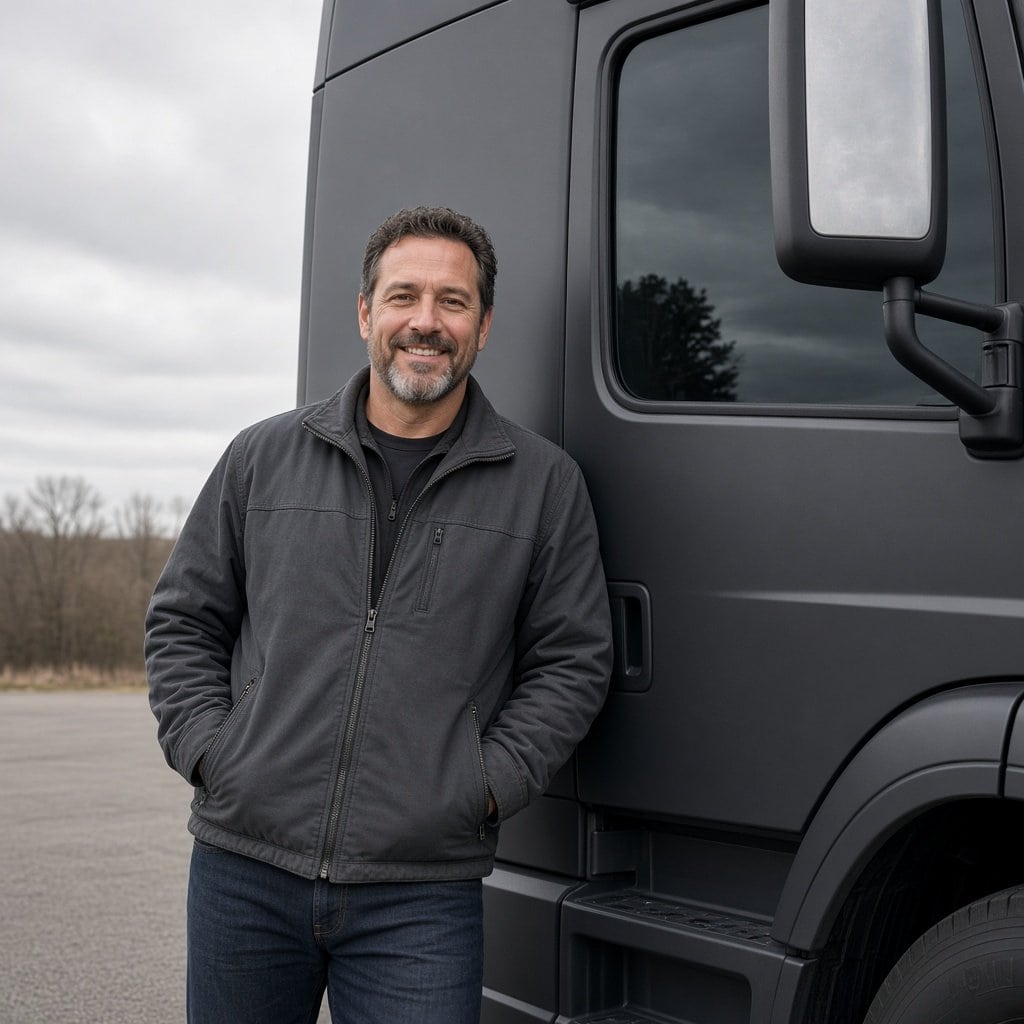
To understand the value of this coverage, we can look at how transportation businesses utilize their policies during active operations. For example, a mid-sized logistics company based in Louisville might operate a fleet of semi-trucks traveling across regional highways daily. When unexpected incidents occur, such as a multi-vehicle collision or cargo theft at a rest stop, these policies step in to cover the immense costs. The table below represents a snapshot of common claims filed by transport businesses and how different coverages respond to protect their financial health.
| Claim type | Typical scenario | Primary coverage utilized |
|---|---|---|
| Physical damage | Collision with highway barrier during winter storm | Collision coverage |
| Cargo loss | Refrigerated trailer failure spoiling perishable goods | Motor truck cargo |
| Third-party liability | Multi-car accident caused by brake failure | Primary liability |
| Theft | Flatbed trailer stolen from unsecured yard overnight | Comprehensive coverage |
How much does trucking insurance cost for operators?
The cost of securing your fleet varies significantly based on several key risk factors. Insurance providers evaluate your drivers’ safety records, the types of cargo you haul, your operating radius, and the weight of your vehicles. In Kentucky, premiums are also influenced by local route risks and state-specific minimum liability requirements. While standard commercial auto insurance might offer lower premiums for light passenger vehicles, heavy transport operations require higher coverage limits, which increases the overall cost. The table below provides an estimated annual premium range for different types of transport operations to help you plan your business budget.
| Operation type | Average annual premium range | Key cost drivers |
|---|---|---|
| Owner-operator (leased) | $3,500 – $7,000 | Driving history, cargo value, operating radius |
| Owner-operator (independent authority) | $9,000 – $16,000 | Filing requirements, route geography, safety scores |
| Small fleet (2-10 power units) | $8,500 – $14,000 per truck | Driver experience, fleet maintenance, safety tech |
| Local hauling / dump trucks | $4,000 – $8,500 per truck | Local route hazards, materials hauled, vehicle weight |
What should you consider when looking for trucking insurance policies?
Selecting the right policy involves more than just finding the lowest premium. You must carefully analyze the specific coverage limits and exclusions within your contract. For instance, many standard Trucking Insurance policies have strict exclusions for certain types of high-risk cargo, such as hazardous materials or high-value electronics, unless you purchase specialized endorsements. You also need to verify that your policy meets the Federal Motor Carrier Safety Administration requirements if your drivers cross state lines. Working with an experienced agent ensures you do not end up with dangerous gaps in your coverage that could leave your business vulnerable during a major claim.
Which other coverages work alongside trucking insurance?
A robust risk management strategy often requires combining multiple policies to cover every aspect of your business operations. While primary liability is the foundation of any policy, it does not cover every scenario your business will encounter. For example, you may need general liability to protect your business premises or bobtail coverage for when your trucks are driven without a trailer. Combining these with your primary Trucking Insurance or standard commercial auto insurance ensures your business remains protected under all circumstances. The table below outlines the most common supplementary coverages used by transport companies.
| Coverage type | What it protects | Why you need it |
|---|---|---|
| General liability | Third-party bodily injury and property damage off the road | Covers slip-and-fall accidents at your terminal or office |
| Bobtail insurance | The tractor when operating without a trailer attached | Fills gaps when a driver is not under dispatch |
| Physical damage | Your own trucks and trailers against collision or theft | Protects your high-value equipment assets |
| Motor truck cargo | The freight being transported in your trailer | Required by shippers to cover lost or damaged goods |
What are the key statistics for trucking insurance?
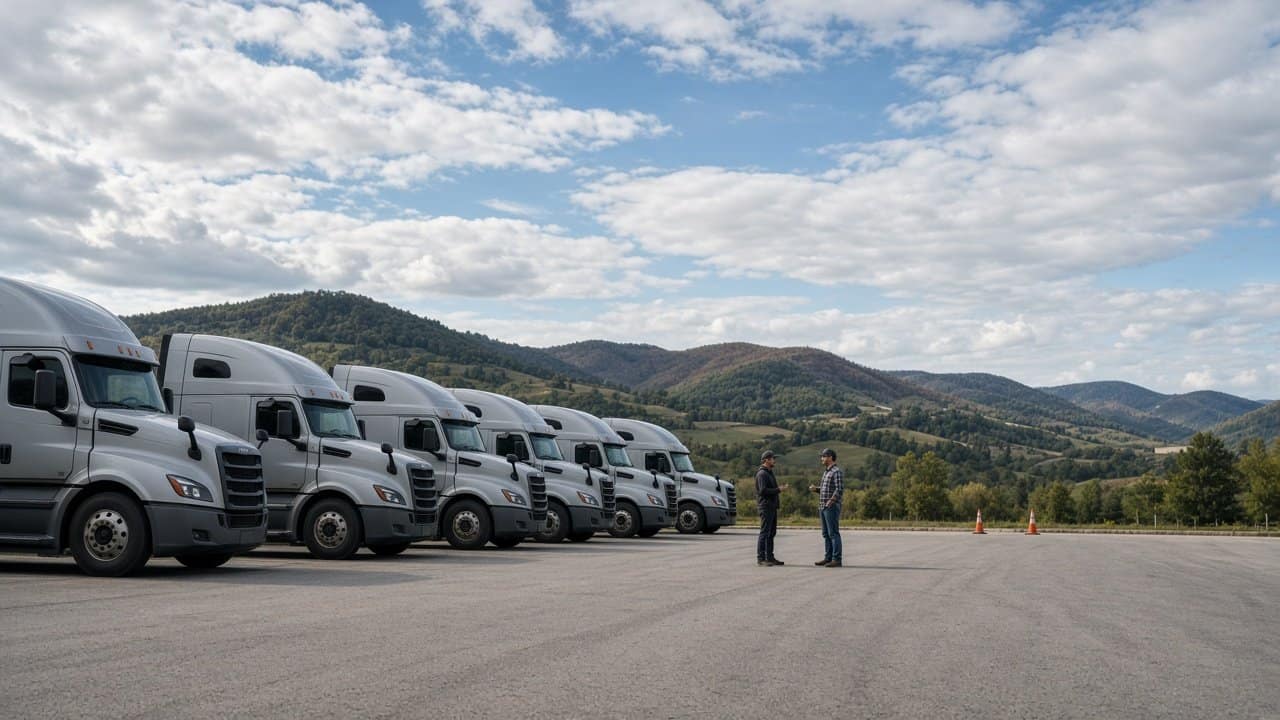
The transportation industry is a major economic driver, and understanding the local risk environment can help you make better decisions about your coverage. In Kentucky, thousands of commercial vehicles transit the major interstate corridors every single day, exposing drivers to diverse weather conditions and traffic patterns. This high volume of freight movement directly impacts the frequency of claims and the cost of protection. The table below highlights key industry and safety statistics that illustrate why having robust financial protection is so critical for operators in the state.
| Metric | State data value | Industry significance |
|---|---|---|
| Active registered motor carriers | Over 12,000 registered entities | High competition and dense commercial traffic |
| Major freight corridors | I-65, I-75, I-64, and I-71 | Elevated risk of highway accidents and cargo theft |
| Average cargo claim value | $24,500 per major incident | Highlights the financial risk of hauling cargo without coverage |
| Commercial vehicle inspections | Over 80,000 annually | Strict enforcement increases the need for proper filings |
Who can help you find the right trucking insurance policy?
Navigating the complexities of commercial transport regulations requires a partner who understands your business. We specialize in helping transport companies find the exact protection they need to stay compliant and profitable. Our team proudly helps over 74 customers with Trucking Insurance in Kentucky, ensuring that every policy is tailored to the specific needs of the operator. With our highly rated Google My Business page, you can trust that we deliver exceptional service and reliable support when you need it most. We make the process simple by offering quick, obligation-free quotes so you can compare options and make the best choice for your fleet. Contact us today to secure your business and keep your trucks moving safely.





Get a Quote
Share your details with us, and our team of friendly agents will be in touch with you soon!